Sustainability knowledge platform · 2017— · Taken over in-house, now maintained externally
Taking over a vendor-built platform: costs first, then a rebuild, then long-term maintenance
In 2017 I took over a vendor-built platform holding thousands of reports and paid research. I brought costs and risk down first, rebuilt it with a paywall in 2019, and have maintained it ever since.
- Problem
- A vendor-built platform cost too much to run each month, kept piling up files, and couldn’t support the paid research the business wanted to sell.
- Approach
- I cut costs first without touching the code. In 2019 the feature list was frozen and the platform rebuilt with a paywall, live on September 27. I have maintained it ever since.
- Result
- Hosting cost down about 96%, bandwidth cost down about 90%; a front-end redesign and a major framework upgrade in 2026.
On this page

A sustainability consultancy runs a knowledge platform on corporate sustainability: news, in-depth features, paid research and thousands of corporate sustainability reports as PDFs.
An outside vendor built it, and it went live in September 2017. I joined the consultancy that year and took over the platform’s engineering. After I left in 2020, I stayed on as an outside engineer.
- 2017Taken overThe vendor-built platform went live in September, and its engineering was handed to me.
- ThenCosts firstHosting, uploads and delivery moved: hosting cost about −96%, bandwidth cost about −90%.
- 2018ESG productAn ESG survey tool built alongside it, sold on annual plans.
- 2019RebuiltLate May to September 27: memberships, a paywall, PageSpeed 99 on desktop.
- 2019–2026UpgradesSeveral major framework releases, one after another.
- 2020Still maintainedI left the consultancy and kept maintaining it as an outside engineer.
- 2026Major upgradeOctober: a new application structure, 128 test files, a new host.
Bills came down first, and readers never noticed
When I took over, about 40 GB of images and PDFs sat alongside the site, every report download was served from the same place, and both disk space and traffic were close to their limits.
 At takeover: the platform as delivered in 2017.
I didn’t start with a rewrite. I moved it off shared hosting, put uploads in cloud storage, and served images and PDFs through a CDN. Not a line of the site’s code changed. Hosting cost fell about 96%, and bandwidth cost about 90%.
Rather than decipher adapted code, we froze the features and rebuilt
In 2019 the business needed memberships and a paywall, and the old code couldn’t support them: it had been adapted from another system, and understanding it well enough to change it piece by piece would have cost more than building it again. So the feature list was frozen, nothing new was added during the rebuild, and every feature readers and editors relied on was rebuilt, one at a time. Work began in late May; the new platform went live on September 27.
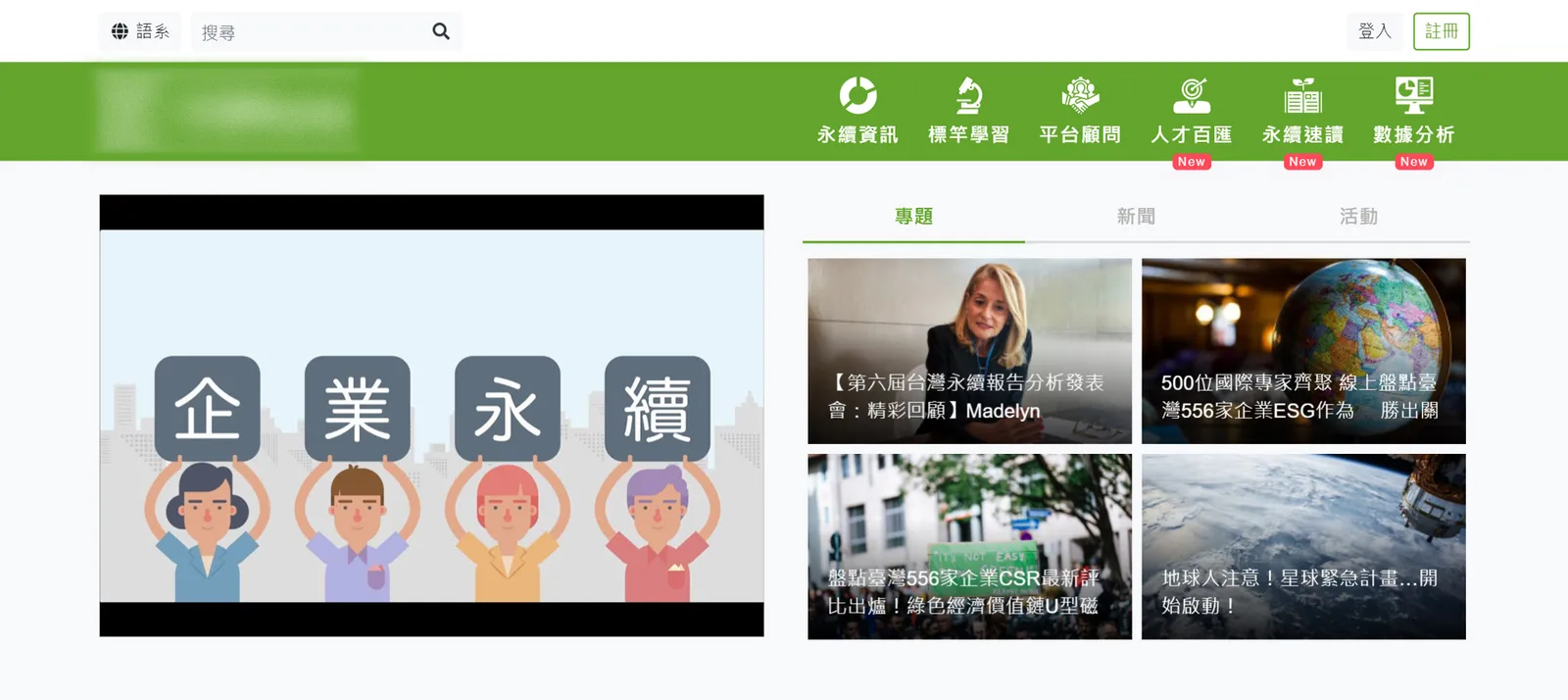 After the rebuild: live in September 2019.
Memberships and a paywall, so research can be sold
Readers sign up for free, top up points and spend them to download paid research. Payments run through a payment gateway, so nobody reconciles them by hand. Free content stays open.
Lighter list and article pages, 99 on PageSpeed for desktop
Images load only when needed, third-party add-ons load last, and frequently used data is prepared in advance. At launch in 2019 the platform scored 99 on PageSpeed for desktop and over 80 on mobile.
A major upgrade in 2026, with the tests written first
In October 2026 the platform went through a major framework upgrade. Before the switch, 128 test files were added, including dedicated tests for the payment flow. The front end was redesigned the same year.
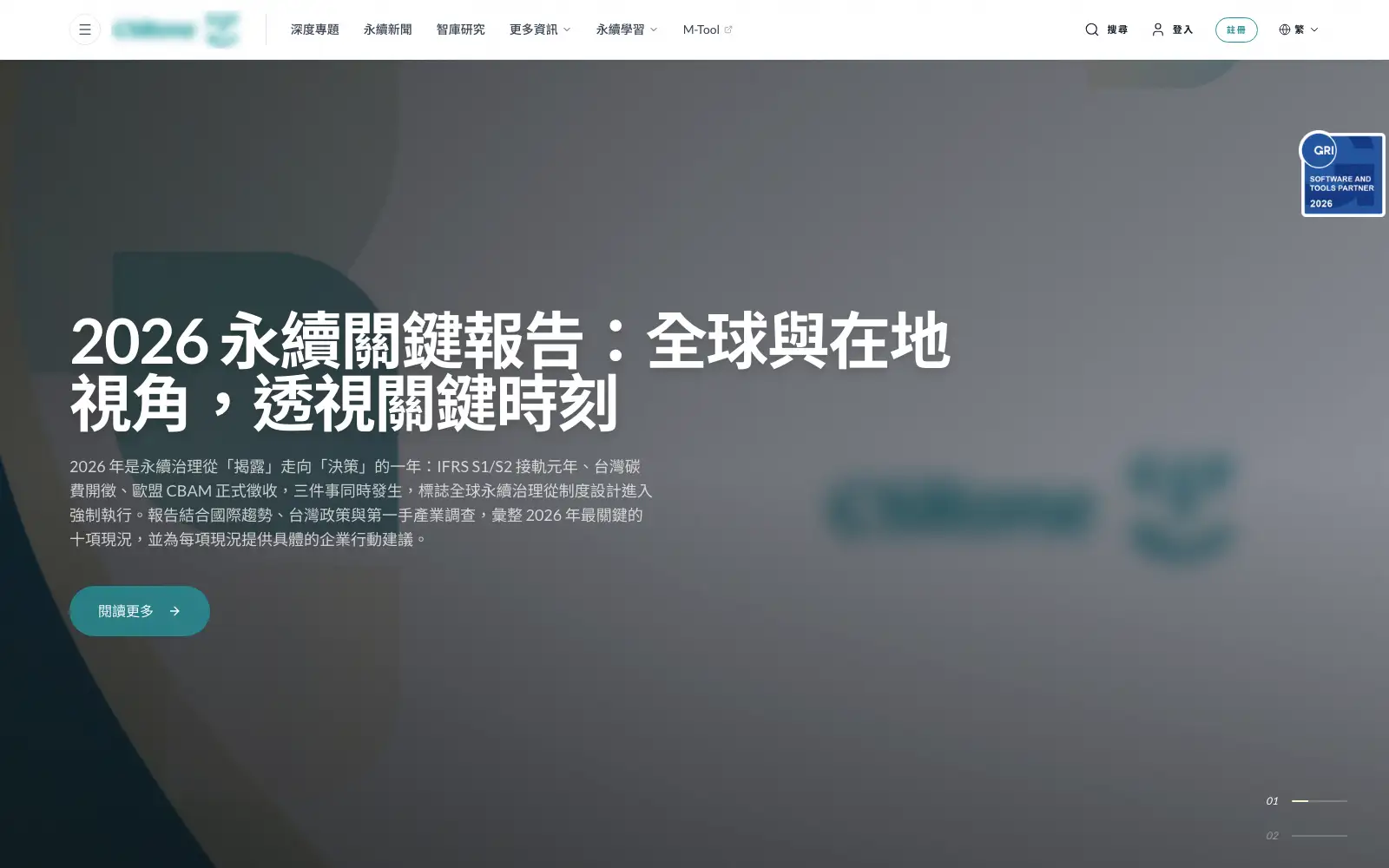
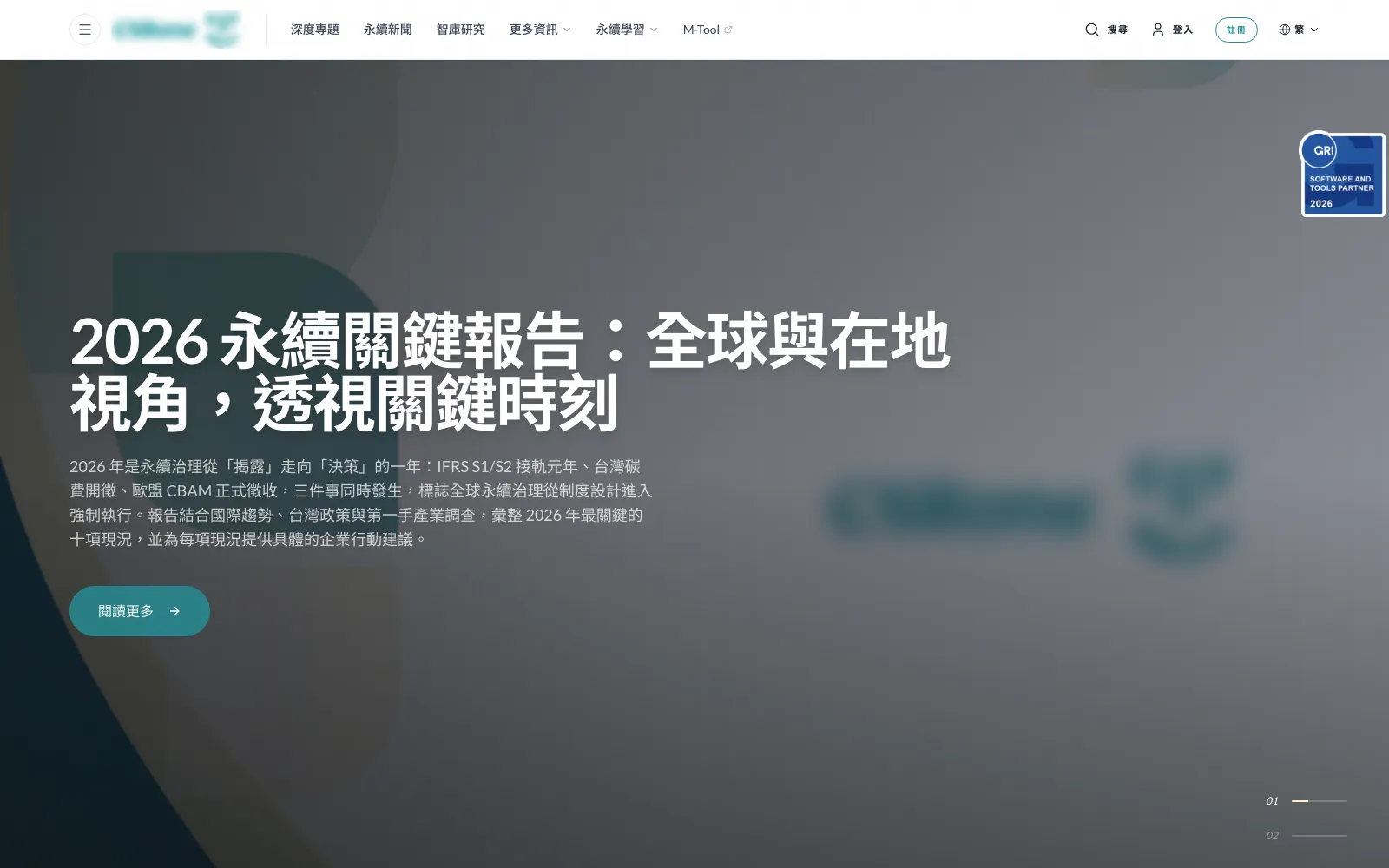 The platform in 2026.
The result: a platform that lasts
Hosting cost is down about 96%, paid research can be sold, and I have maintained the platform from 2017 to today. The ESG survey tool that grew out of it in 2018 became a stand-alone product sold on annual plans: read the ESG survey case study.